The 1900s
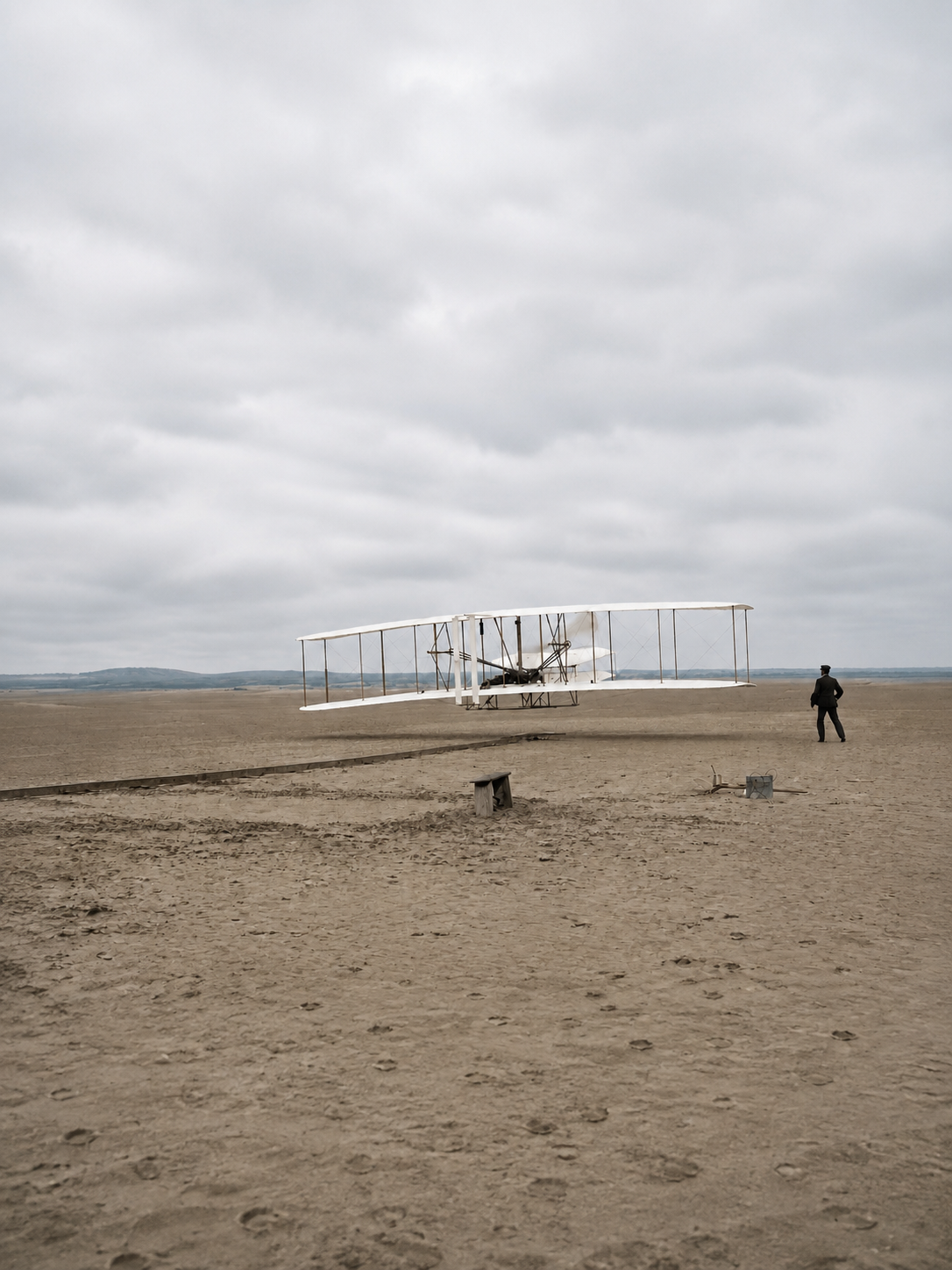
The dunes at Kill Devil Hills, the wooden rail, and the four flights of one December morning.
Shop the 1900s
10:35 a.m. · 17 December 1903 · Kill Devil Hills, North Carolina
A correction, offered once
It did not. The telegram went to Kitty Hawk, because Kitty Hawk had the telegraph. The weather station was at Kitty Hawk, because Kitty Hawk had the weather station. William Tate's letter — the one that brought two bicycle men from Dayton to the Outer Banks — was written from Kitty Hawk, because Kitty Hawk was the town. In 1903 it was the only name on that stretch of sand you could point to on a map.
The machine left the ground four miles south, on flat sand at the base of Big Kill Devil Hill, in the dunes called the Kill Devil Hills. The town of that name did not exist yet; it would not be chartered until 1953, fifty years after the fact. Four flights ran that morning from a single wooden rail. Orville, one hundred and twenty feet. Wilbur, one hundred and seventy-five. Orville, two hundred. Wilbur, eight hundred and fifty-two. The stones that mark those landing points stand in Kill Devil Hills, North Carolina. The address of the Wright Brothers National Memorial is Kill Devil Hills, not Kitty Hawk.
The photograph you see above is the fifth plate exposed by John T. Daniels of the Kill Devil Hills Life-Saving Station, who had never before taken a picture. Orville set the camera. Orville flew. Daniels squeezed the bulb at 10:35 a.m. and made the most consequential snapshot in the history of photography. This archive exists to keep the caption honest: the place, the date, the names — set down correctly, and then printed on cloth.
The archive is organized one decade at a time, because that is how the story actually moves. Each collection gathers the plates, the names, and the garments drawn from them.
The dunes at Kill Devil Hills, the wooden rail, and the four flights of one December morning.
Shop the 1900s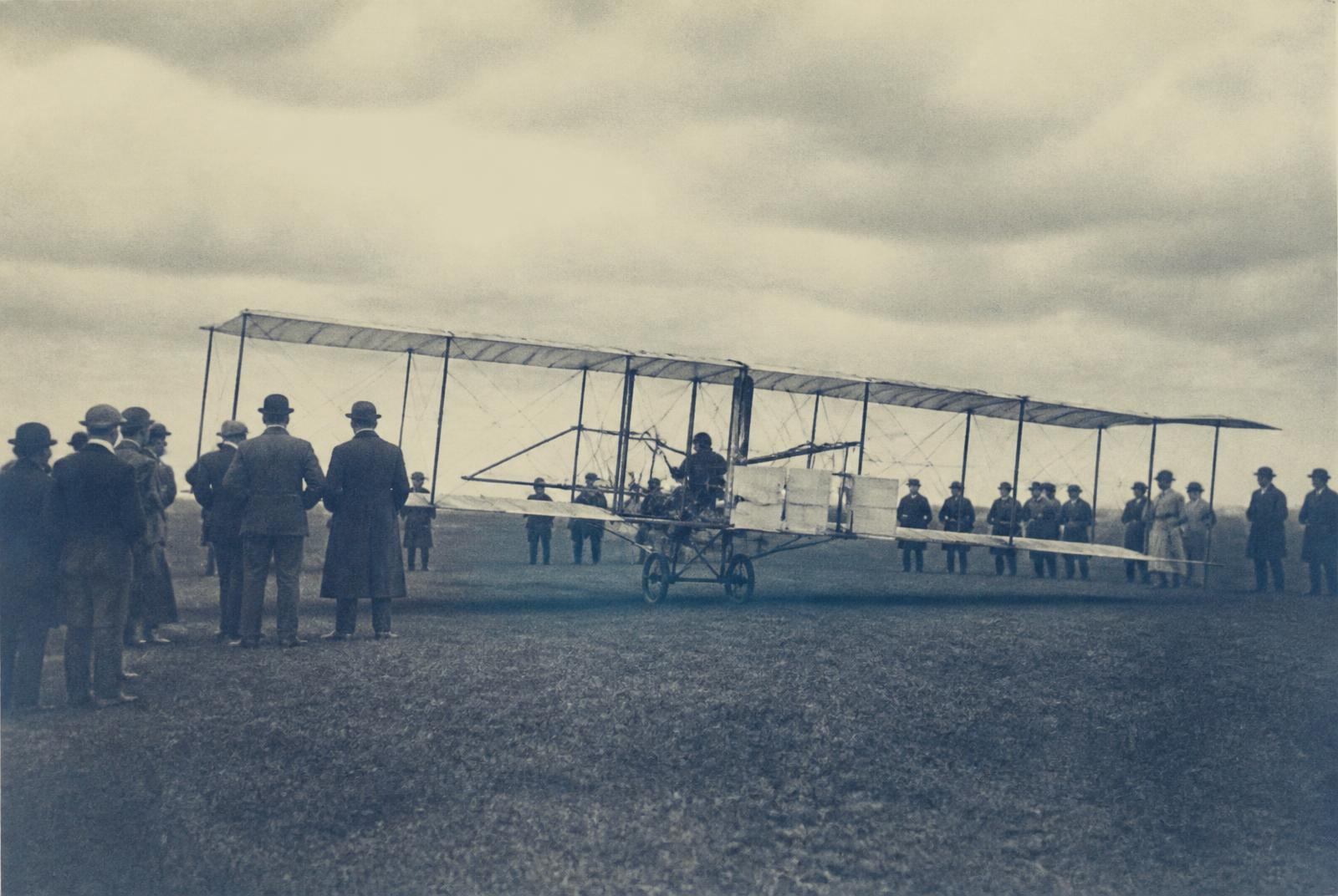
The decade flight left the beach — exhibition fields, first traps, and the earliest working pilots.
Shop the 1910s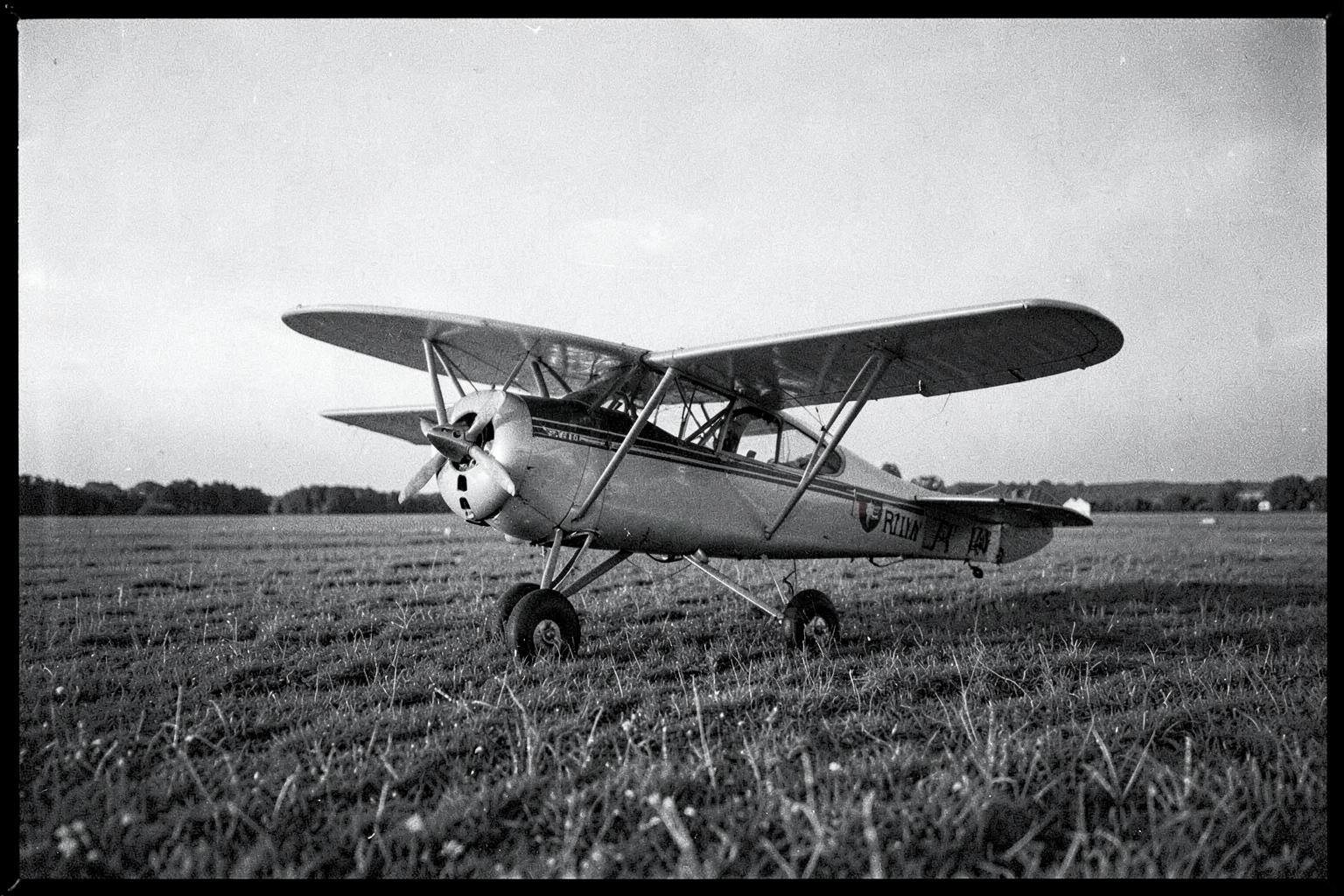
Thirty-three hours and thirty minutes, one person, one engine, and the Atlantic crossed alone.
Shop the 1920s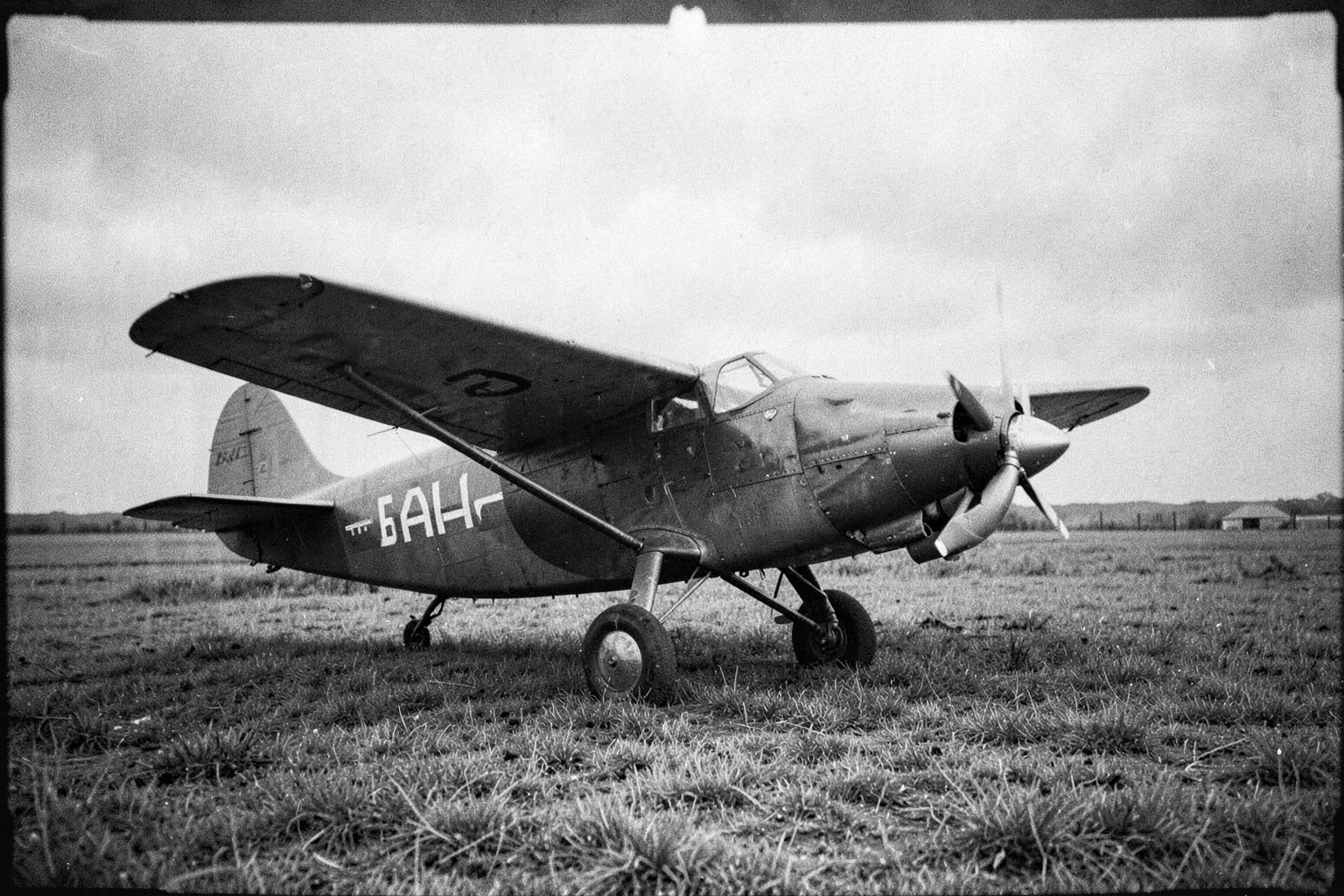
Five years to the day later, a Lockheed Vega out of Harbour Grace and the second solo crossing of the Atlantic.
Shop the 1930s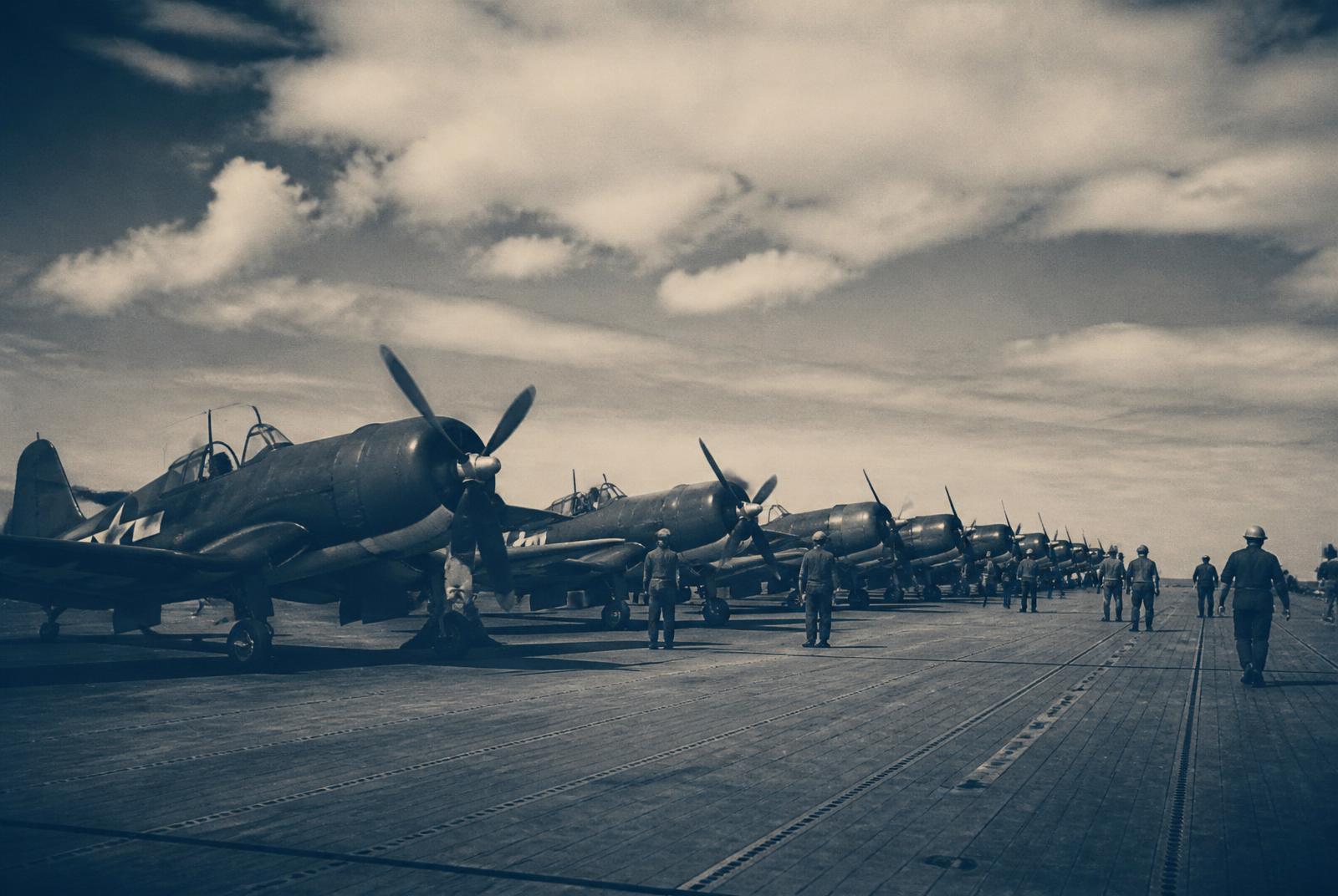
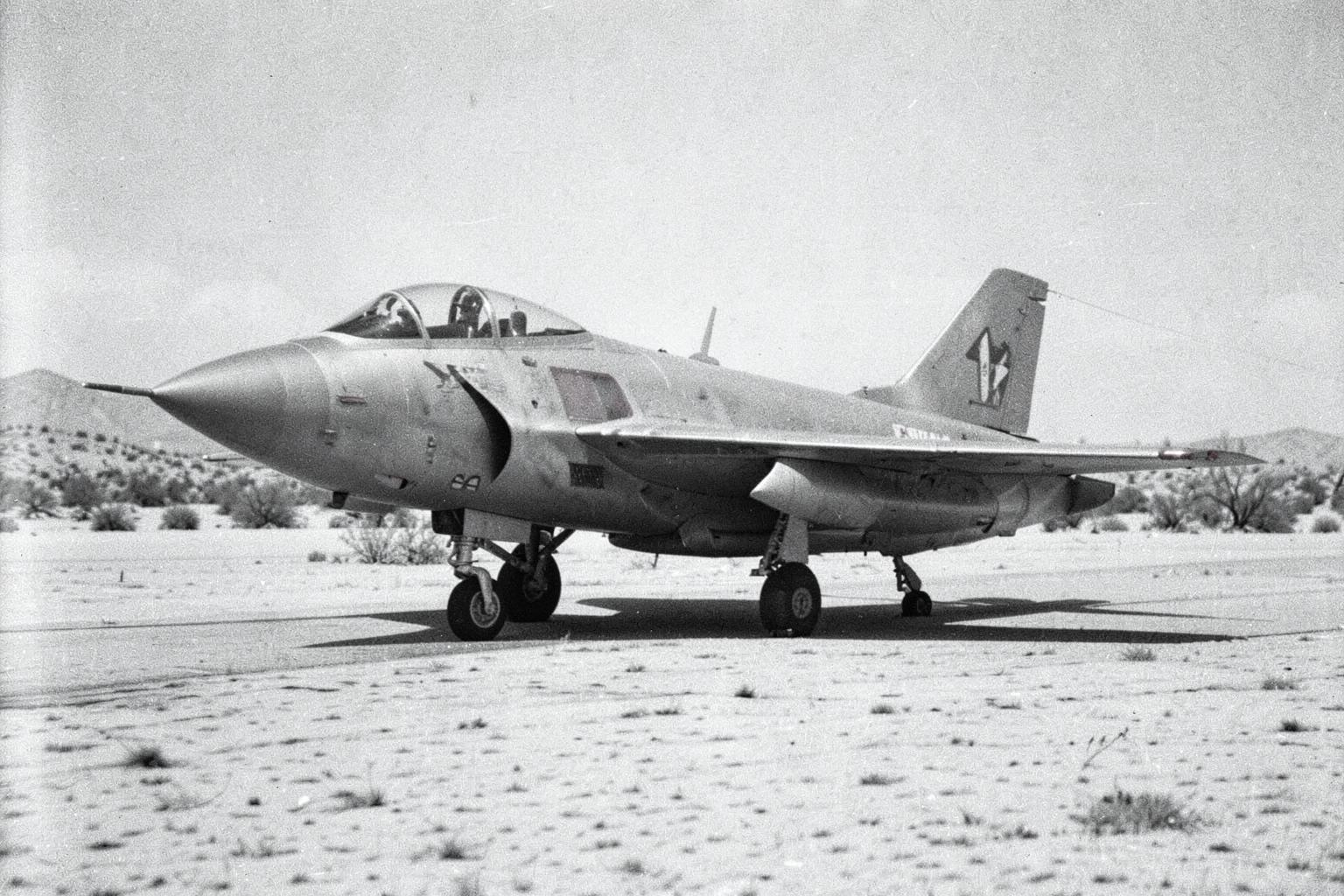
A borrowed Canadair F-86, a civilian woman, and the sound barrier crossed on 18 May 1953.
Shop the 1950s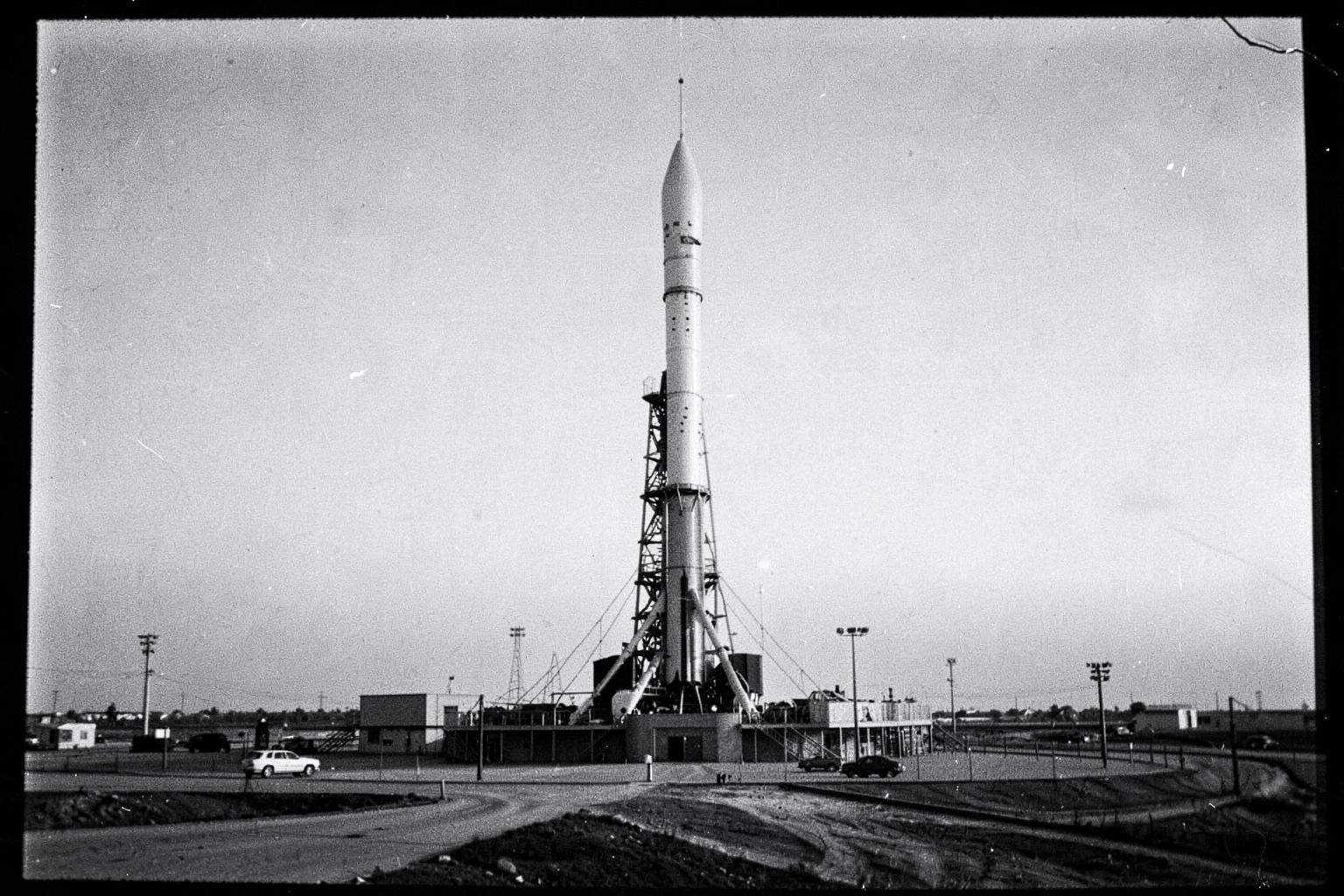
Fifteen minutes and twenty-two seconds — a Redstone, a Mercury capsule, and the first American in space.
Shop the 1960sOriginal art from the 1900s collection, printed on garments meant to be worn rather than framed.


Journal
Notes from the archive — plates, captions, and corrections. The first essay is the correction the whole archive is built on: it did not happen at Kitty Hawk.
Read the journal